Time to tell the truth
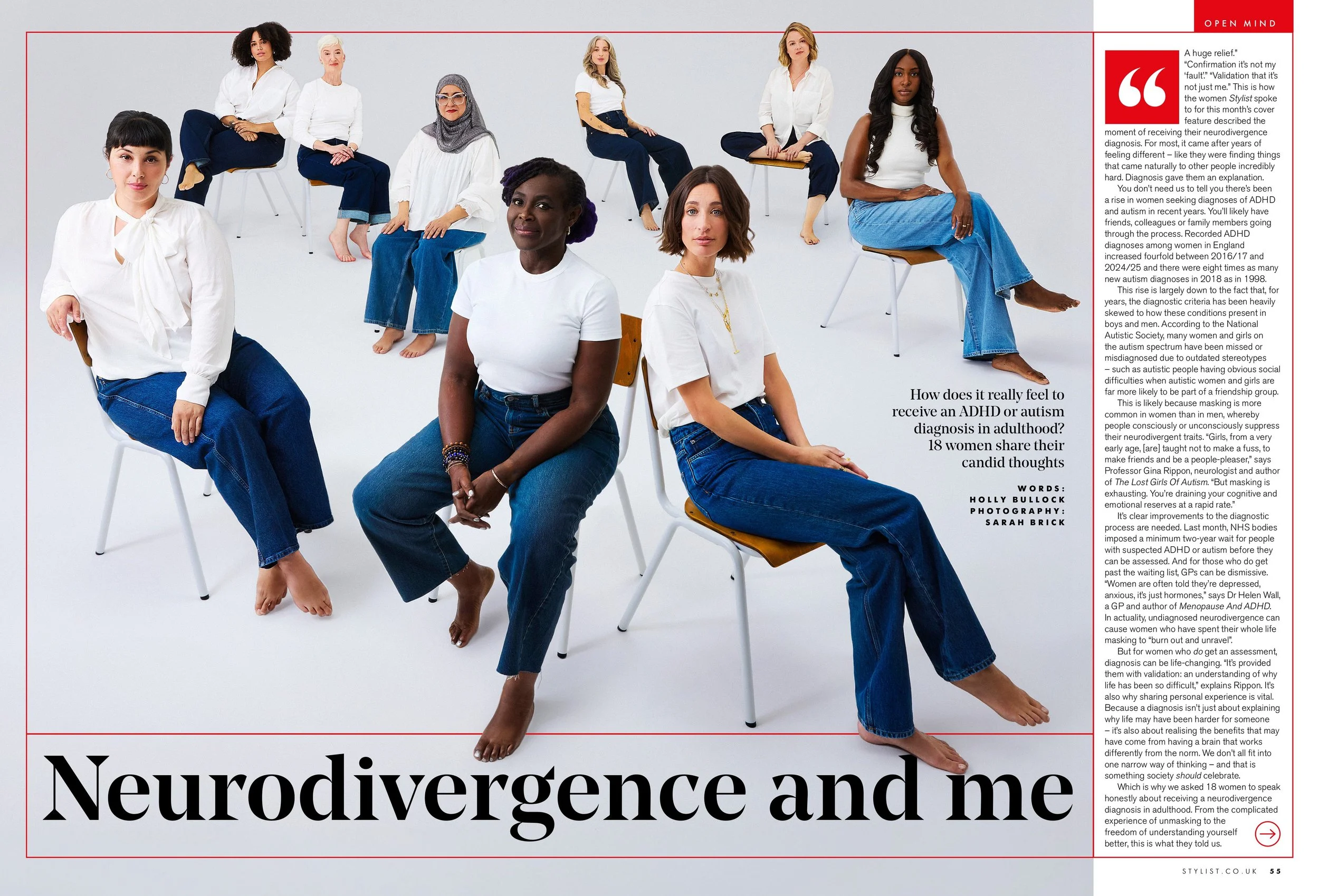
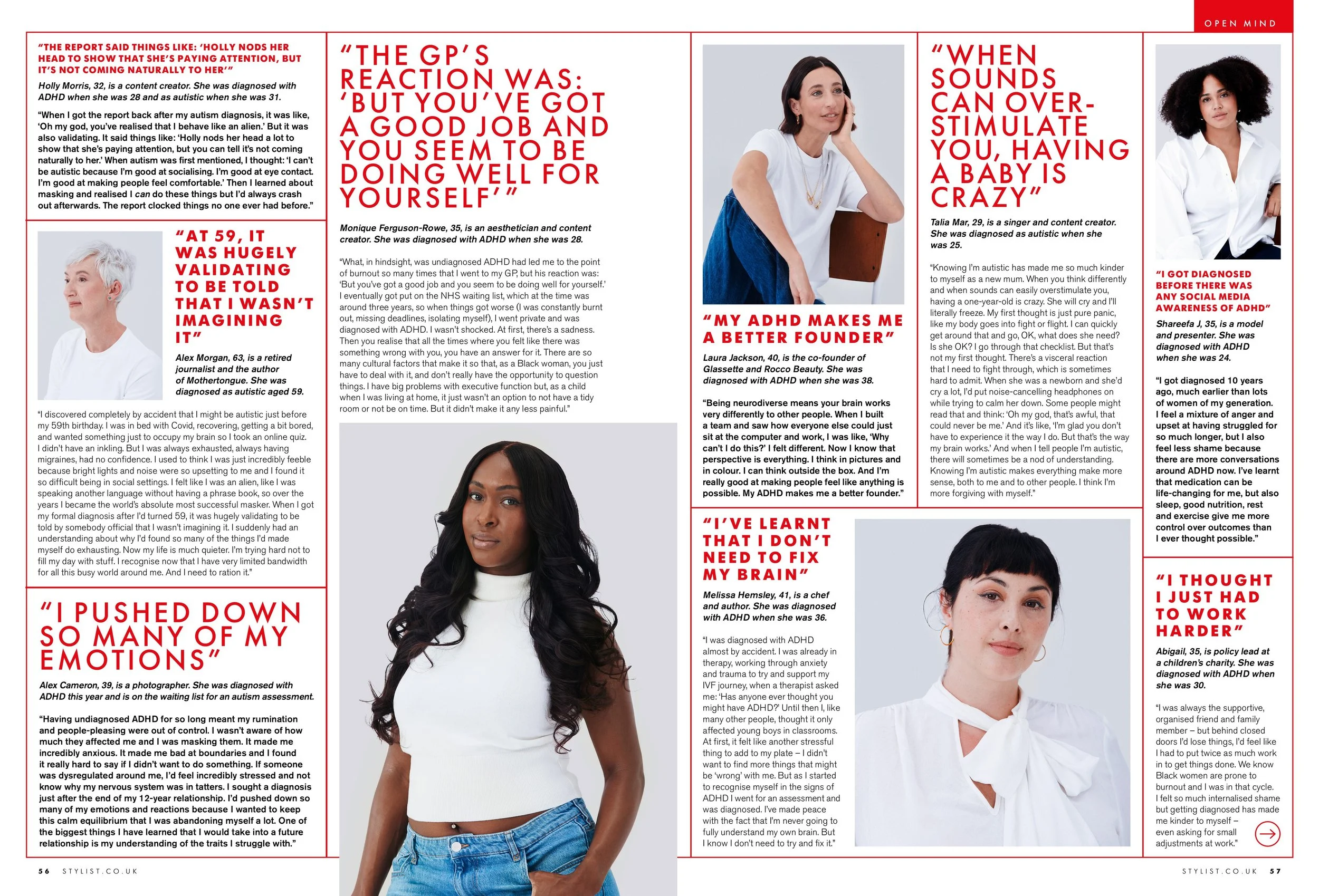
I was thrilled to be interviewed by Stylist magazine for their feature about late-diagnosed neurodivergent women. Sadly, sensible coverage like Holly Bullock’s article is needed more than ever.
The scaremongering about an epidemic of overdiagnosis, with allegations that autism and ADHD labels are being handed out like sweeties, couldn’t be further from the truth.
The Fonagy Review, published last week, concluded that the NHS in England is heading into a ‘world of system failures’ as it fails to cope with rising demand for mental health, autism and ADHD care, leaving those affected desperate for support.
However, the usually responsible BBC chose to focus on another angle: that autism and ADHD are at risk of overdiagnosis, despite Professor Fonagy and his team concluding only that there needs to be better regulation of independent diagnostic services to prevent this happening.
In fact, as the statistics contained in the report show, with waiting lists stretching for years, the gap between the number of people experts believe to be neurodivergent and those formally diagnosed remains huge.
This is especially true for adults – women most of all. Hundreds of thousands of in the UK are spending decades, if not entire lifetimes, convinced they’re alone and somehow at fault. Struggling to play the part expected of them by society, with no idea of the actual issue.
I’m one of the lucky ones. Even so, I was fifty-eight before I realised I was autistic, fifty-nine before it was formally confirmed, as my memoir, Mothertongue, explains.
As I discovered, diagnosis can be life-changing, bringing understanding and self-compassion, where before there was only pain and confusion. It needs to be made more available, not less.